
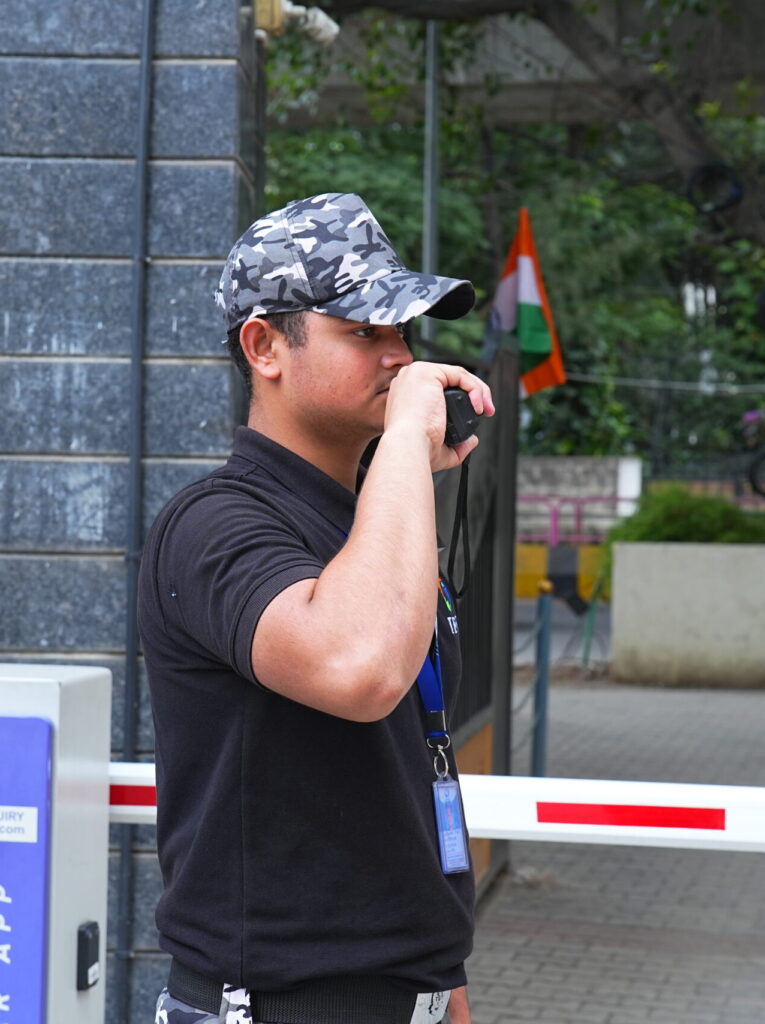
Security Services for Hospitals: Protecting Patients, Staff and Property
Hospital security services play an important role in maintaining a safe and controlled environment for patients, doctors, nurses, visitors, and hospital staff. With hospitals operating around the clock, trained security personnel help manage access, monitor premises, support emergency situations, and protect people and property. Hospitals are busy environments where patients, doctors, nurses, visitors, and support staff interact around the clock. With emergency departments, pharmacies, medical equipment, parking areas, and multiple entry points, maintaining a safe and controlled environment is essential. Professional hospital security services help healthcare facilities manage these challenges while supporting the safety of patients, staff, visitors, and valuable property.
Why Security Services Are Important in Hospitals
Hospitals operate 24 hours a day and experience continuous movement of people. Emergency situations, high visitor traffic, restricted medical areas, and valuable equipment require proper security management.
Trained security guards can help control access, monitor important areas, manage visitors, and respond to security concerns according to hospital procedures. Their presence also provides an additional layer of protection for patients, healthcare professionals, and hospital property.
Access Control and Entry Management
One of the key responsibilities of hospital security personnel is managing entry and exit points. Hospitals may have separate entrances for patients, visitors, employees, emergency services, and suppliers.
Security guards can verify visitors, monitor access points, maintain visitor records, and ensure that restricted areas are accessed only by authorized individuals. Effective access control helps hospitals maintain better organization and reduces the risk of unauthorized entry.
Visitor Management
Hospitals can receive a large number of visitors every day. During busy hours, managing visitor movement can become challenging.
Professional security guards can assist with visitor management by providing directions, checking access permissions, and helping visitors follow hospital policies. Proper visitor management can reduce confusion and help maintain a calm environment, particularly around sensitive areas such as emergency departments and intensive care units.
Emergency Department Security
Emergency departments often experience high activity and unpredictable situations. Security Professional hospital security services can help manage busy entry points. personnel can help maintain order, control unnecessary crowding, and protect staff and patients during difficult situations.
Security guards can also coordinate with hospital management and emergency response teams when required. Their training and familiarity with hospital procedures allow them to respond professionally while following established protocols.
Protection of Hospital Property and Equipment
Hospitals contain expensive medical equipment, medicines, technology systems, documents, and other valuable assets. Protecting these resources is an important part of overall hospital security.
Hospitals and healthcare facilities should maintain appropriate safety and operational standards. For official healthcare information and government resources, visit the Ministry of Health & Family Welfare, Government of India.
Security personnel can monitor access to sensitive areas, conduct regular patrols, and report suspicious activities or safety concerns. Proper security procedures can help reduce unauthorized access and support the protection of hospital property.
CCTV Monitoring and Surveillance Support
Modern hospitals increasingly use CCTV cameras and other security technologies to monitor their premises. Security guards can support these systems by observing surveillance feeds and responding to unusual activity.
Combining trained security personnel with CCTV surveillance can provide wider coverage of important areas such as entrances, corridors, Reliable hospital security services are important for protecting patients and staff. parking facilities, reception areas, and restricted zones.
Parking and Vehicle Management
Hospital parking areas can become crowded, especially during emergency situations and peak visiting hours. Security guards can help manage vehicle movement, guide visitors, monitor entry and exit points, and maintain orderly access.
Effective parking management can also help keep emergency routes clear and ensure that designated areas remain accessible to authorized vehicles.
Night Security for Hospitals
Hospital security is required throughout the day and night. During nighttime hours, fewer administrative staff may be present, making professional security personnel particularly important.
Night security guards can conduct regular patrols, monitor access points, check sensitive areas, and report unusual activity. A consistent security presence helps maintain protection even during quieter hours.
Trained Security Personnel Make a Difference
Hospital security requires more than simply having guards at the entrance. Security personnel should be trained in communication, access control, visitor management, emergency procedures, patrolling, and professional conduct.
Guards should also understand that hospitals are sensitive environments where patients and families may already be under stress. Professional communication, patience, and discipline are therefore essential qualities for hospital security personnel.
Choosing Professional Hospital Security Services
Every healthcare facility has different security requirements. A small clinic may require a different security arrangement from a large hospital with multiple buildings, emergency facilities, parking areas, and restricted departments.
A professional security agency can assess the premises and provide an appropriate security plan based on the hospital’s size, operating hours, entry points, visitor flow, and specific security requirements.
IFS Security Services for Healthcare Facilities
IFS Security Services provides professional security solutions designed to support the safety and security requirements of different types of properties. Our trained security personnel focus on access management, visitor assistance, regular patrolling, surveillance support, and maintaining professional security standards.
For hospitals and healthcare facilities, a reliable security team can help create a safer and more organized environment for patients, healthcare professionals, visitors, and property.
Conclusion
Security is an essential part of hospital operations. From managing entrances and visitors to supporting emergency situations, protecting property, monitoring premises, and maintaining nighttime security, trained security personnel provide valuable support to healthcare facilities.
By combining professional security guards, proper procedures, surveillance technology, and regular monitoring, hospitals can strengthen their overall security framework.
Choosing professional hospital security services can strengthen a healthcare facility’s overall security system.
A safe hospital environment allows healthcare professionals to focus on patient care while providing patients and visitors with greater confidence and peace of mind. Choosing a trained and reliable security service provider is therefore an important step toward maintaining a secure healthcare facility.